Trending

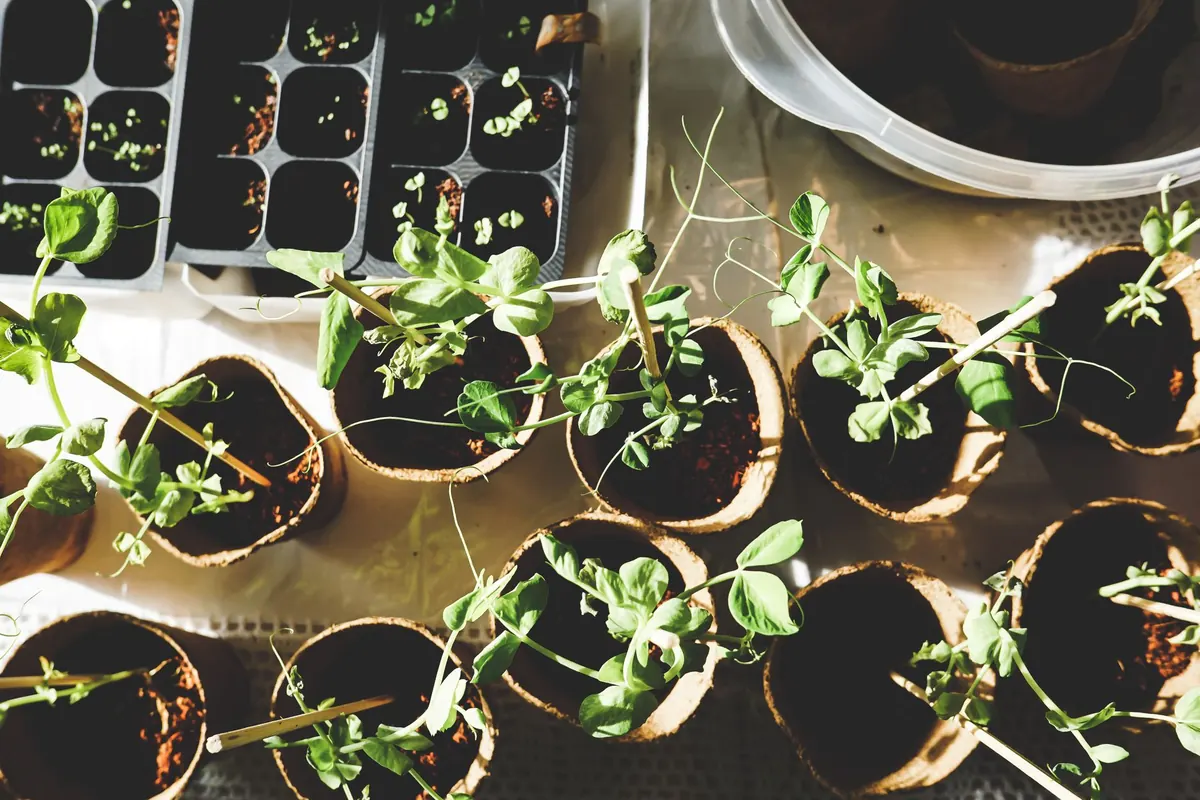
Sow sorrel once and you can be cutting lemony leaves for years. It shrugs off British winters, grows happily in a pot by the back door, and regrows within a fortnight of a hard cut. Most gardeners treat it as a herb, but it earns its place as a vegetable too — stirred into soup, wilted in butter with fish, or shredded raw into a salad alongside something rich. Here's how to grow it from seed right through the year.
Three types turn up in seed catalogues, and they behave quite differently in the kitchen and the ground.
If a packet simply says "sorrel", it is usually common sorrel. Check the botanical name if you specifically want the French type.
Sow under cover in March: modules or small pots of multipurpose compost, seeds pressed onto the surface because light helps them germinate, kept at around 15–20°C. Seedlings usually appear in one to three weeks. Prick them out, grow them on, harden them off over a week or so, and plant out from late April. From mid-April you can also sow direct, provided the soil is workable and not waterlogged. Sorrel is hardy, so there's no need to wait for warm nights.
Sow a short row or a few modules every three to four weeks. Young plants give the tenderest leaves, and heat is what spoils older ones: in a dry summer, established sorrel bolts, sending up flower spikes and toughening its leaves. Water generously in hot spells and pick often. If a plant does bolt, cut the stems right down to the crown — it will push out fresh leaves in a couple of weeks.
A sowing in late August or early September produces plants that overwinter and crop hard the following spring. In colder areas, sow in modules under cover and get them into the ground while it's still warm. Established plants perk up as nights cool and the flavour comes back after a tired July.
Don't sow now. Plants die back to a low rosette. Mulch around them with compost, move pots against a sheltered wall or into a cold frame, and a bright windowsill pot will still give you a few leaves through winter. Divide congested clumps in late winter or early spring, and split pot-grown plants at the same time.
Sorrel's one real demand is moisture. Dry soil is what makes leaves tough, bitter and quick to run to seed. Water deeply once or twice a week in dry spells rather than little and often, and mulch after planting. A general-purpose liquid feed every two or three weeks keeps growth coming if you're cropping hard. Slugs and snails nibble young seedlings, and aphids gather on soft new growth — a strong jet of water deals with most of them. Rust and downy mildew can appear where plants are crowded and damp, so thin them out and water the soil rather than the foliage.
Start cutting about eight to ten weeks after sowing, once leaves reach roughly 10cm. Take the outer leaves and leave the crown untouched, and the plant will keep producing for months. Snip with scissors or pinch with your nails, and use them the same day — sorrel wilts fast once picked. For a cut-and-come-again crop, cut the whole plant back to 3–4cm above the crown and it will regrow in two or three weeks. Don't strip a plant bare in the middle of summer; give it a rest and it will reward you in autumn.
Sorrel is high in oxalic acid, which is what gives it that sharpness, so it's best enjoyed in normal culinary amounts. If you have kidney problems, it's worth a word with your GP before making it a daily habit.
Because sorrel is perennial, succession sowing is less about replacing plants and more about keeping young, tender ones coming. Sow a short row in May, another in late June and another in August, and you'll always have leaves worth eating. Two or three plants are plenty for most households; a single well-grown common sorrel can be surprisingly generous. If space is tight, grow French sorrel in a 5-litre pot of compost, keep it watered, and cut it regularly. Sow a few modules in late summer to plug any gaps where a plant has exhausted itself.
If it's anywhere between March and September, fill a small pot with compost, scatter a pinch of seed on the surface, press it in and keep it damp on a windowsill or in a cold frame. That one pot will give you seedlings to plant out within a month or so. Keep them within reach of the kitchen — sorrel is a crop you use in small handfuls, not armfuls, so the closer it is, the more you'll pick it. Feed it, water it through dry spells, cut it often, and you'll be harvesting from the same plants for years.
Photo: . ▃ / Pexels