Trending

Red-veined sorrel turns up in all sorts of places: neat clumps at the front of a herb bed, glossy leaves tucked into salad bags at the market, the odd pot on a restaurant windowsill. It is genuinely useful, genuinely good-looking, and it asks about as much effort as chives. What it doesn’t deserve is its reputation as a garnish leaf you push to the side of the plate. Treat it as a vegetable and it earns its space many times over.
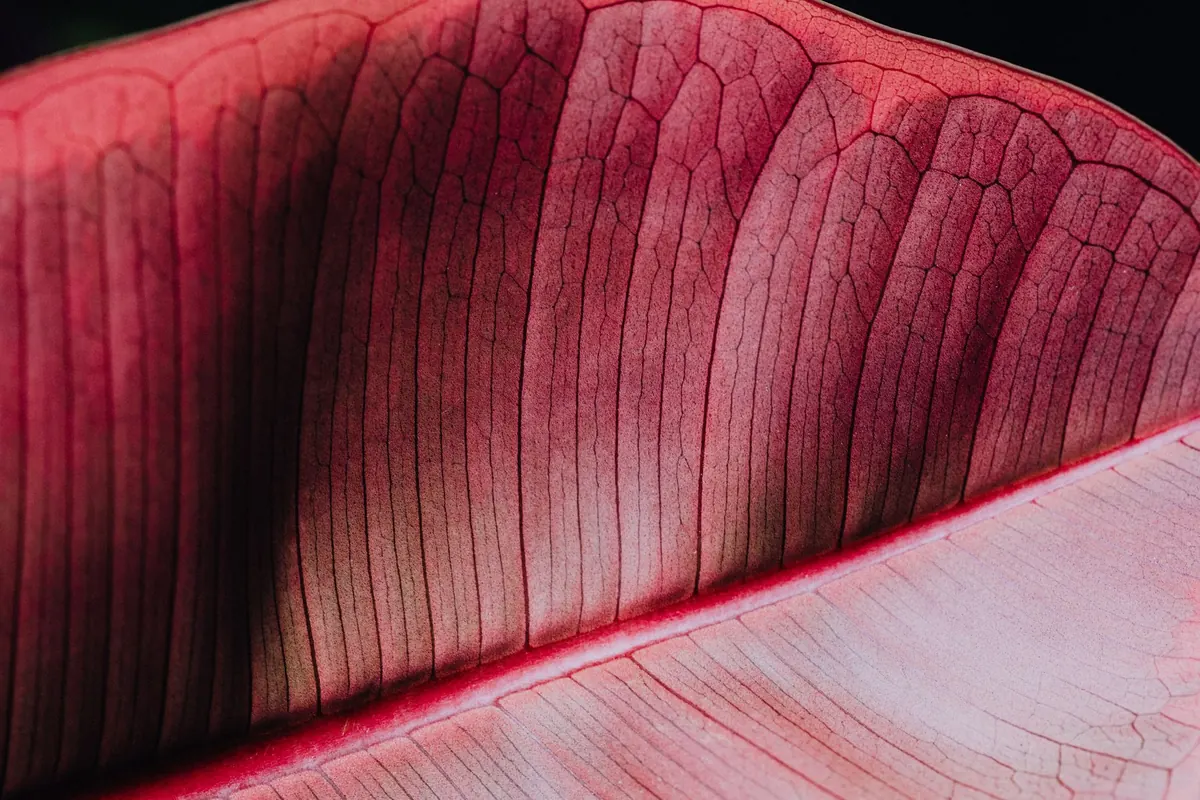
Red-veined sorrel is Rumex sanguineus, sometimes sold as bloody dock or red-veined dock. It’s a hardy perennial forming a low rosette of mid-green, spear-shaped leaves marked with dark red veins that deepen in cool weather. Plants stay 25–40cm tall until they flower, when thin stems push up to around 60cm with small greenish-red flowers.
Don’t confuse it with common sorrel, Rumex acetosa, the one that delivers a sharp green-apple zing to soups and sauces. Red-veined sorrel is milder, less acidic and slightly thicker-leaved. Young leaves have a gentle lemony tang and an earthy finish; older, larger leaves turn tough and bitter. That’s why a plant left to grow all summer can taste disappointing by August, while the same plant cut regularly stays tender from spring into autumn.
Like other sorrels it contains oxalic acid. For most people a handful in a salad a few times a week is fine, and cooking softens the sharpness. If you’re prone to kidney stones or have been advised to watch your oxalate intake, keep portions modest and check with a doctor or dietitian rather than guessing.
Seed is cheap and easy; division is faster. Both work well.
One thing worth knowing: red-veined sorrel self-seeds politely but reliably. If you don’t want seedlings drifting into gravel or lawn, cut the flower stems before the seed ripens. If you do want a free supply, leave one plant to flower and let it scatter where a hoe can reach.
Sun to light shade suits it. In a hot, dry border the leaves get small and tough and the plant bolts early; soil that holds some moisture gives you bigger, more supple leaves for longer. Ordinary garden soil with a little compost is plenty. It’s hardy across most of the UK, and in mild winters the rosette stays green — useful when there’s little else to pick.
It’s a good container plant too. A 30cm pot with decent drainage and a compost mulch keeps the roots cool. Because the red veins show so well against pale stone and gravel, it earns a place in ornamental planting as well as the vegetable patch: try it along a path edge, under roses, or at the front of a cut-and-come-again bed with parsley and rocket.
Harvest as you would chard or perpetual spinach. Take the outer leaves and leave the small central ones to grow; never strip a plant bare. Hold the base with one hand while you pick with the other, so you don’t pull the whole plant about with every cut.
Two habits make a real difference:
Sowing small batches every three or four weeks from spring to midsummer gives a steady cut without gluts. Divide old clumps every second or third year; congested plants lose vigour and the centre can go woody.
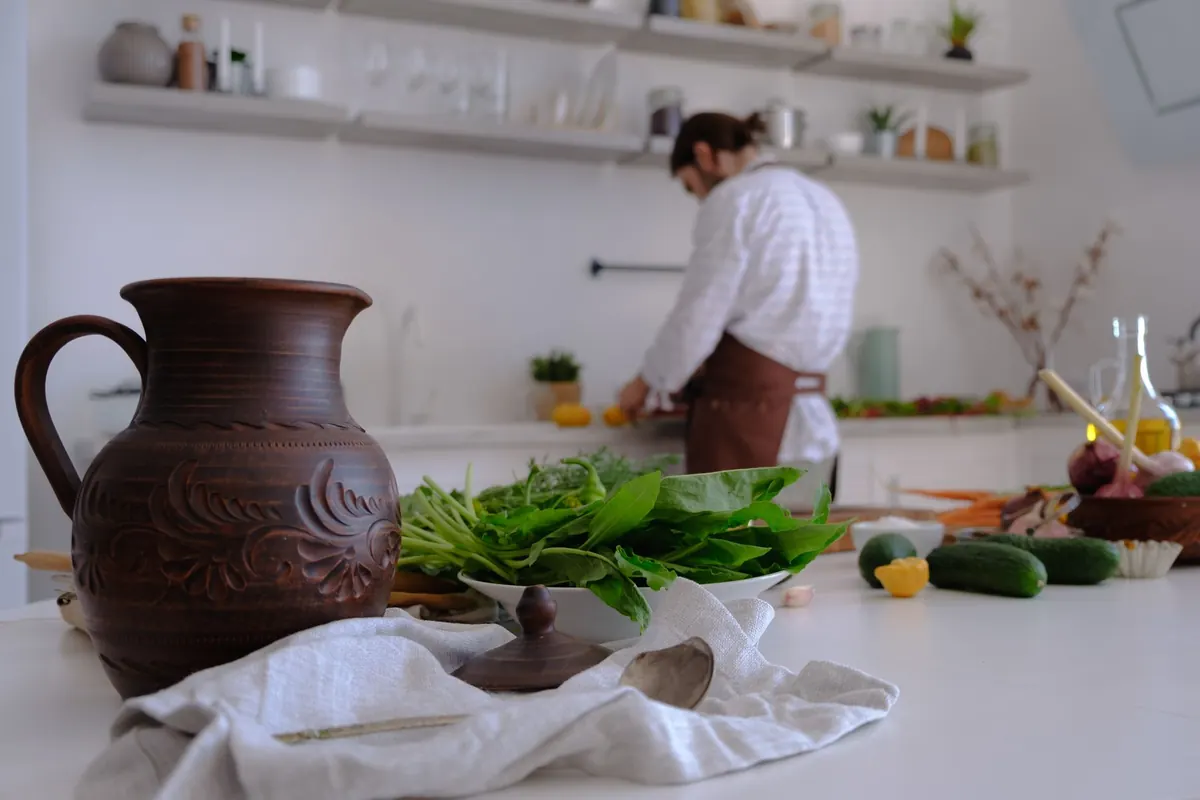
The simplest use is also the best. Wash young leaves, shake them dry and toss with a sharp dressing just before serving — olive oil, lemon, a little mustard. They wilt quickly once dressed, so add them last. Pair them with goat’s cheese, beetroot, walnuts, orange segments, new potatoes or roasted squash.
Older leaves are the ones for the pan. They hold their shape better than common sorrel and give a gentler acidity, which makes them easier to use in quantity.
Use stainless steel or enamelled pans rather than unlined aluminium or cast iron, which can react with the acidity and darken both pan and greens. A minute or two of cooking is usually enough; longer turns the leaves to olive-brown sludge. A squeeze of lemon at the end lifts the flavour.
Pick in the morning if you can. Leaves are firmest then and keep three or four days in a lidded box lined with kitchen paper.
Slugs and snails are the main nuisance on young plants; a night-time torch patrol or a barrier of wool pellets sorts most of it. Aphids cluster on flower stems — another reason to keep them cut. Leaf miner shows as pale blotches, so pick off affected leaves and the plant usually grows through. Mildew can appear on dry, crowded plants in late summer: improve airflow and water the soil rather than the leaves.
Start with half a dozen plants, or one generous pot. Sow while the soil is warm, keep the flower stems cut, and pick a handful every few days rather than letting the plant make a statement. You’ll have tender leaves for salads from spring to the first hard frost, and enough spare to cook with when the mood takes you. Used only as a garnish, most of the plant goes to waste.