Trending

Sorrel is the plant that solves a problem you did not know you had. It pushes up its first leaves in early spring, long before basil has any intention of doing anything, and it keeps cropping through until the frosts. The leaves taste of lemon and green apple, with a tart, almost metallic edge that stands up to strong flavours rather than disappearing behind them. Whizzed raw with walnuts, Parmesan and good olive oil, sorrel makes a pesto that is sharp, vivid and ready in ten minutes.
Most leaf pestos fail because the leaf is too mild. Spinach, rocket and kale all need something else to carry them. Sorrel does not. Its acidity cuts through the fat of the nuts and cheese, which is exactly the job basil does with pine nuts, only with a citrus twang instead of a herbal one. And because sorrel softens quickly in oil and lemon juice, there is no blanching, no cooking and no pan to wash afterwards.
Which sorrel you use matters. Common sorrel (Rumex acetosa) has larger, coarser leaves with a thick central stalk that should be stripped out before it goes anywhere near a processor. Buckler-leaf or French sorrel (Rumex scutatus) has smaller, softer, more rounded leaves that are less stringy and give a slightly gentler pesto. Either works. If you grow both, use buckler-leaf for a raw pesto and common sorrel for anything that will be cooked into a sauce.
A word on quantity: sorrel is high in oxalic acid, which is what gives it that sharpness. For most people a spoonful or two of pesto at a meal is unremarkable, but if you have a history of kidney stones, take blood-thinning medication, or are cooking for someone who does, keep portions modest and check with a GP or dietitian if you are unsure.
This makes roughly a small jarful — about 250ml — which is enough for four generous portions of pasta. A food processor makes it in seconds; a small jug blender works too, though you may need to scrape down the sides more often. A mini chopper is fine for half quantities.
Two things are worth buying well: the oil and the cheese. A peppery, fruity olive oil lifts the whole jar, and Parmesan grated fresh from a block melts into the paste far better than the pre-grated sort, which is usually dusted with something to stop it clumping. Vegetarians should look for a hard cheese made with microbial rennet rather than animal rennet.
Sorrel pesto is not a fixed recipe so much as a ratio you learn. The lemon is doing work that basil pesto gets from the leaf itself, so taste before you decide it needs more garlic. Raw garlic in a cold sauce gets stronger over the next day, not weaker, so err on the side of one small clove.
If your pesto tastes thin and grassy, the leaves were probably young and mild — add another 10g of Parmesan and a few extra walnuts. If it tastes aggressively sour, you are likely using older common sorrel picked after the plant has started to flower. Cut those plants back hard, wait a fortnight for fresh growth, and use the new leaves instead.
In the fridge, sorrel pesto keeps for four to five days. The enemy is air: press cling film directly onto the surface, or keep the oil film topped up after every use, and always use a clean spoon. The colour will darken slightly after a day or two — that is oxidation, not spoilage, and it tastes perfectly good.
For longer keeping, freeze it. Spoon the pesto into an ice cube tray, freeze solid, then tip the cubes into a freezer bag and label them with the date. They will keep for about three months. One cube is roughly a single portion stirred through pasta or soup, and they thaw in the pan in under a minute. If you want a pine-green pesto for a dinner party, blanch the leaves for ten seconds, cool them in iced water, squeeze dry and continue as above; you lose a little of the fresh bite but the colour holds for months.
The best argument for sorrel pesto is that it takes about as long as boiling the water for the pasta it goes on. Start with the 60g quantity above, use it within the week, and adjust the lemon and salt to your own taste rather than following the numbers slavishly. If you grow your own sorrel, cut the plants regularly and never let them flower — the leaves stay tender, the flavour stays clean, and there will always be a handful ready when you want one.
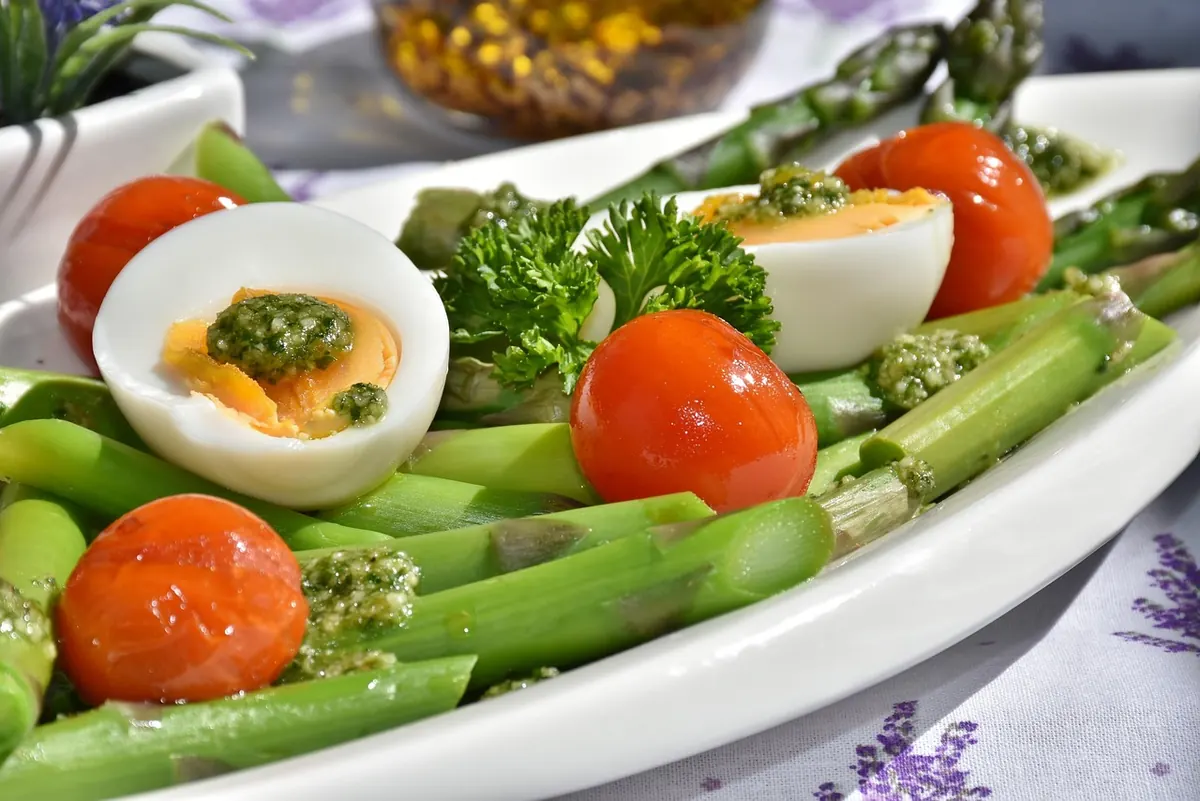
Photo: RitaE / Pixabay