Trending

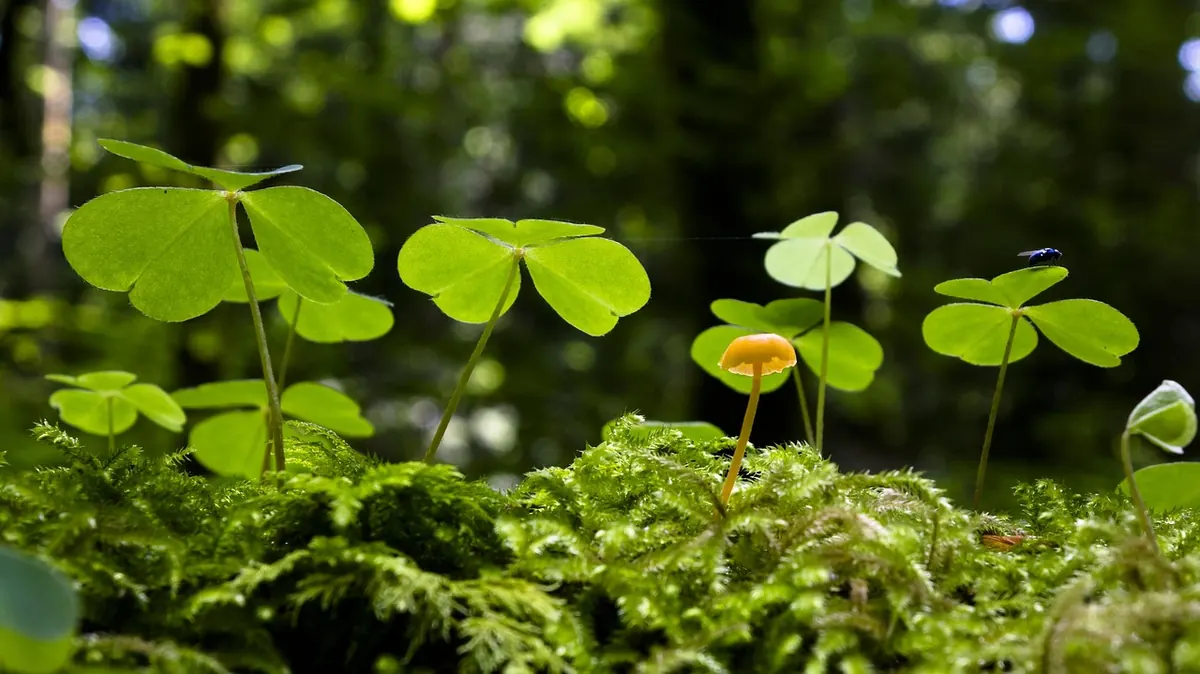
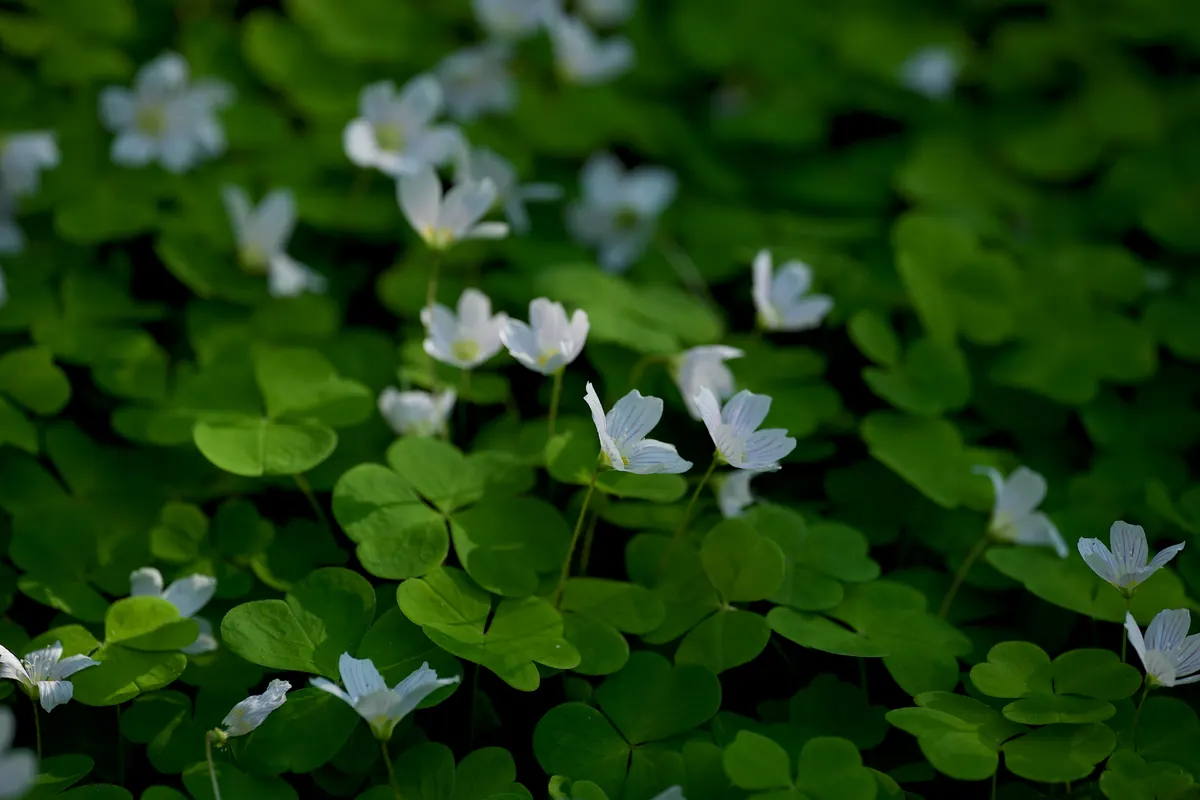
Sorrel is one of the most useful leaves you can grow in a small space. A few shredded into a salad taste sharply of lemon and green apple, and you will not find that in a supermarket bag. It is a perennial, so one pot can keep cropping for years, and it does not ask for much room or full sun. Get a handful of basics right and you can be cutting leaves from early spring well into autumn.
Sorrel grows wild in meadow and hedgerow ground, which tells you a lot about what it tolerates: ordinary soil, a bit of crowding, and less than perfect conditions. Its roots are mostly fibrous with a thicker central root, so it never needs a deep taproot run. A five-litre pot is workable; ten litres is generous and will reward you with bigger, softer leaves.
The one thing it will not forgive is drying out. Sorrel that goes thirsty turns tough, bitter and quick to run to seed. A container dries out far faster than a bed, so pick a pot you can reach easily with a watering can and one that holds a decent volume of compost. A small terracotta pot on a sunny sill may need water twice a day in July.
Size and drainage matter more than looks, though there is no reason you cannot have both.
Think about weight before you fill anything. A ten-litre pot of damp compost weighs well over ten kilograms, so keep larger planters where you want them rather than shifting them later, and check what your balcony or windowsill can safely take.
A peat-free multipurpose compost works well. Mix in roughly a quarter by volume of garden compost or well-rotted manure to hold moisture, plus a small handful of grit or perlite per pot for drainage. Sorrel prefers slightly acid to neutral ground, so avoid lime-rich mixes. Leave about 3 cm of space below the rim so you can water without it running straight off.
Sow between March and August. Sorrel seed is small, so scatter it thinly on the surface and cover with only 2–3 mm of compost. Keep it at around 15–20°C and seedlings should appear within one to two weeks. Thin them to one plant every 10 cm, or pot on the strongest seedling. You can sow straight into the final container if you prefer, then thin in place.
This is the quickest route, and French sorrel is often sold as plants rather than seed. Plant so the crown sits level with the compost surface, firm gently and water well. Spring and early autumn are the best times; avoid planting into the heat of midsummer.
Older sorrel becomes woody and tired after three or four years. Lift the plant in early spring or autumn, split the clump with a knife, and replant the healthiest sections in fresh compost. One pot quickly becomes three.
Check the compost with a finger. When the top 2–3 cm feels dry, water until it runs from the base. In high summer that may be every day for smaller pots, and occasionally twice. Water in the morning where you can — foliage left wet overnight invites leaf spot and mildew. Standing a pot in a saucer of water for an hour is fine, but do not leave it sitting there for days.
Mulching the surface with a little compost or horticultural grit slows evaporation and keeps leaves cleaner. Feeding should be light: sorrel is not a hungry plant, and rich, high-nitrogen feeds give soft leaves with little flavour. A liquid seaweed or tomato feed every three to four weeks from spring to midsummer is plenty.
Position pots in sun to light shade. On a hot, south-facing patio, a little afternoon shade keeps leaves tender and delays bolting. Shelter from strong wind, which shreds the leaves and dries pots out quickly.
Pick the outer leaves once they reach about 8–15 cm, always leaving the crown and three or four leaves behind. Regular picking keeps fresh growth coming. Pinch out flower spikes as soon as you see them; once a plant puts energy into seed, leaf production drops sharply. If a plant looks tired in midsummer, cut the whole thing back to about 5 cm and it will regrow.
Slugs and snails are the main nuisance, especially around young leaves — check under the pot and behind the rim after rain. Aphids cluster on soft new tips and usually wash off with a firm jet of water. Remove yellowing or spotted leaves promptly and give plants some airflow to reduce rust and leaf spot. Put affected foliage in the bin rather than the compost heap.
Sorrel is hardy, but pots are more exposed than open ground. Over winter, raise containers onto feet, move them to a sheltered spot against a wall, and make sure the compost never sits waterlogged. Leaves die back in the coldest weeks and new growth usually appears from late February.
Sorrel leaves contain oxalic acid, which is what gives them their sharpness. Normal culinary amounts suit most people, but enjoy it in moderation, and if you have kidney problems or a history of kidney stones, speak to your GP before making it a regular habit.
Buy a 25–30 cm pot, fill it with peat-free compost blended with a little garden compost and grit, and plant one French sorrel. Water it, stand it where it gets morning sun and a little shelter, and keep the compost just moist. You can be picking leaves within a few weeks of planting, and for several seasons after that. If you want a backup, sow a pinch of common sorrel seed in a second pot — it germinates quickly and gives you something to compare flavours with.
Photo: adege / Pixabay